At MGH PCRP, psychosis and schizophrenia are treated like other medical conditions—with compassion, specialized expertise, multidisciplinary care and innovation.
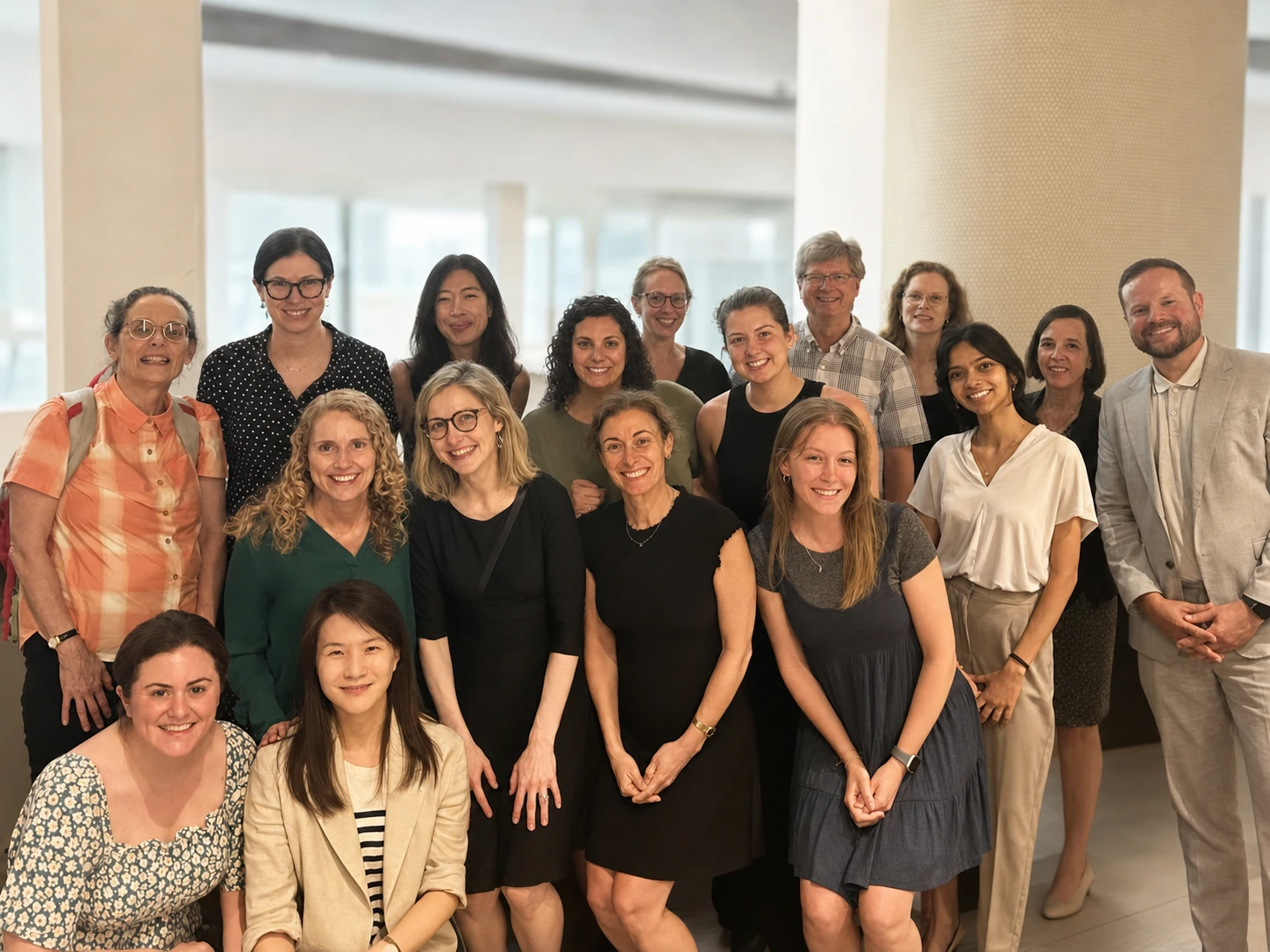
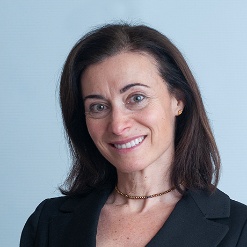
The Massachusetts General Hospital Psychosis Clinical and Research Program (MGH PCRP), co-led by Drs. Oliver Freudenreich and Daphne Holt, seeks to improve quality of life for people with psychosis or schizophrenia by reducing distressing symptoms, improving function in school, work and relationships, and promoting better physical health.
Our team of clinicians and researchers conducts state-of-the-art research focused on medication intervention trials, neuroscience and brain imaging, genetics and psychosocial interventions. We offer comprehensive diagnostic evaluations, second-opinion consultations, a clozapine clinic and ongoing treatment for adolescent and adult patients with psychosis, including schizophrenia and related disorders.
Clinical Services
Five specialized services support people across different stages and treatment needs. Select a service to learn more or begin a referral.
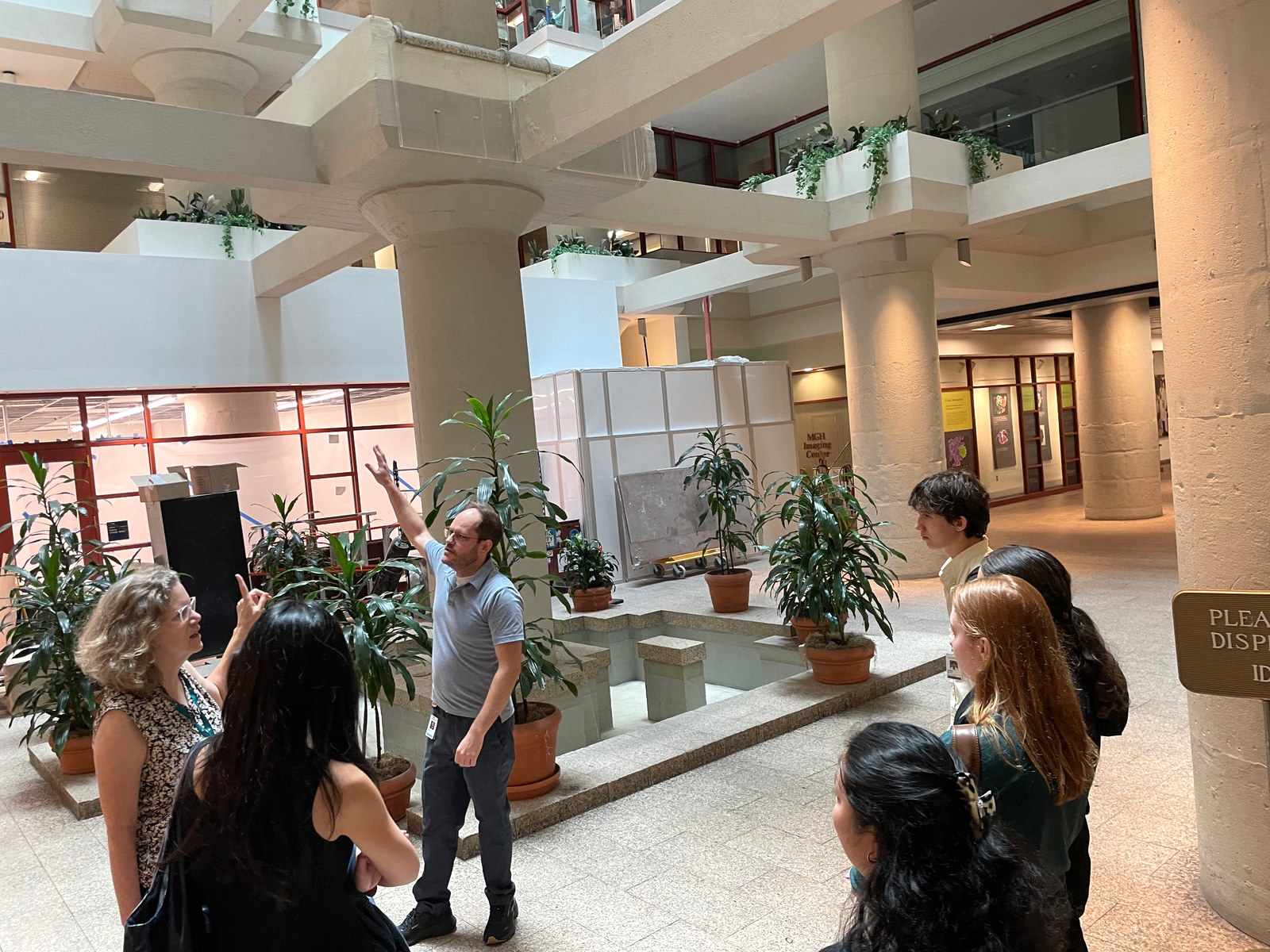
Courtesy of Oliver Freudenreich
Resilience Evaluation-Social Emotional Training (RE-SET) Program
Evaluation and recommendations for young people experiencing changes that may indicate risk for psychosis or another neuropsychiatric condition.
Patients and, when appropriate, family members meet with specialists for a one-time evaluation and recommendations. Recommendations are also communicated to the referring clinician.
All ages
Patients and families should ask their treating psychiatric provider to complete the referral form for the Psychosis Consultation Service
All referrals are screened for clinical appropriateness. Submitting a referral is not a guarantee of treatment. Patient and family consultation requests must be discussed with the current treating clinician.
Research at the PCRP
World-class researchers and caregivers work together to deepen our understanding of risk factors for psychosis, the full course of schizophrenia and related disorders, and to translate that understanding into compassionate, effective treatment. What makes our team unique is that many of our researchers are also clinicians who see patients.
Areas of Research
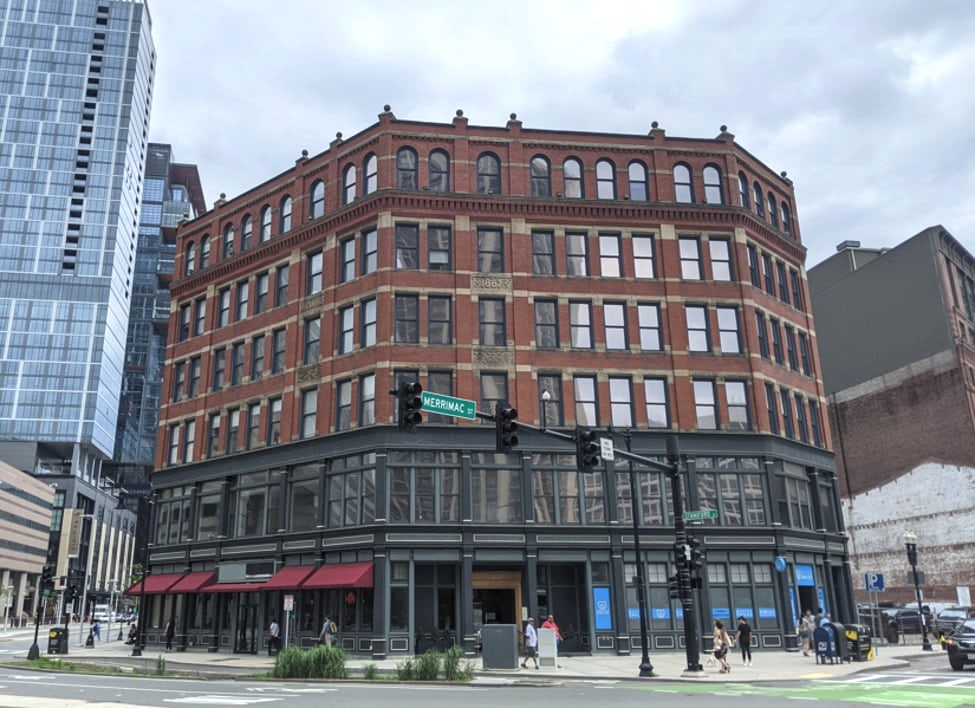
Research LocationMGH Charlestown Navy Yard · 149 13th Street, Charlestown, MA 02129
Emotion and Social Neuroscience Lab (ESNL) ↗, directed by Dr. Daphne Holt, studies emotion and social cognition in psychosis and related conditions using behavioral, physiological and neuroimaging methods.
Resilience and Prevention Program (RAPP) ↗, directed by Dr. Daphne Holt, studies mechanisms of risk and resilience and evaluates practical interventions designed to strengthen resilience and reduce risk for mental health challenges.
Intervention Clinical Trials Program seeks better medication options for schizophrenia symptoms and the medical problems associated with existing medications.
Early Brain Development Initiative ↗, directed by Dr. Joshua Roffman, aims to discover and implement prenatal and early-life interventions that may prevent neuropsychiatric illness.
Sleep, Cognition and Neuropsychiatry Lab (SCAN) ↗, directed by Dr. Dara Manoach, investigates how sleep and circadian physiology influence cognition and psychiatric symptoms, including cognitive difficulties in schizophrenia.
Schizophrenia and psychosis are serious, but also misunderstood, conditions. If you think a loved one is dealing with psychosis, it is vital to get help in the early stages of illness. Begin by learning more about schizophrenia and other forms of psychosis.
Families are our highest priority. We partner with patients to provide high-quality specialty care tailored to each family’s preferences and needs. Your support helps us expand care, education and research.