

Early, specialized care
Support when psychosis first begins
The First-Episode and Early Psychosis Program (FEPP) is part of the Psychosis Clinical and Research Program (PCRP) at Massachusetts General Hospital. The program offers highly specialized evaluation, treatment and education for people who are experiencing psychosis for the first time.
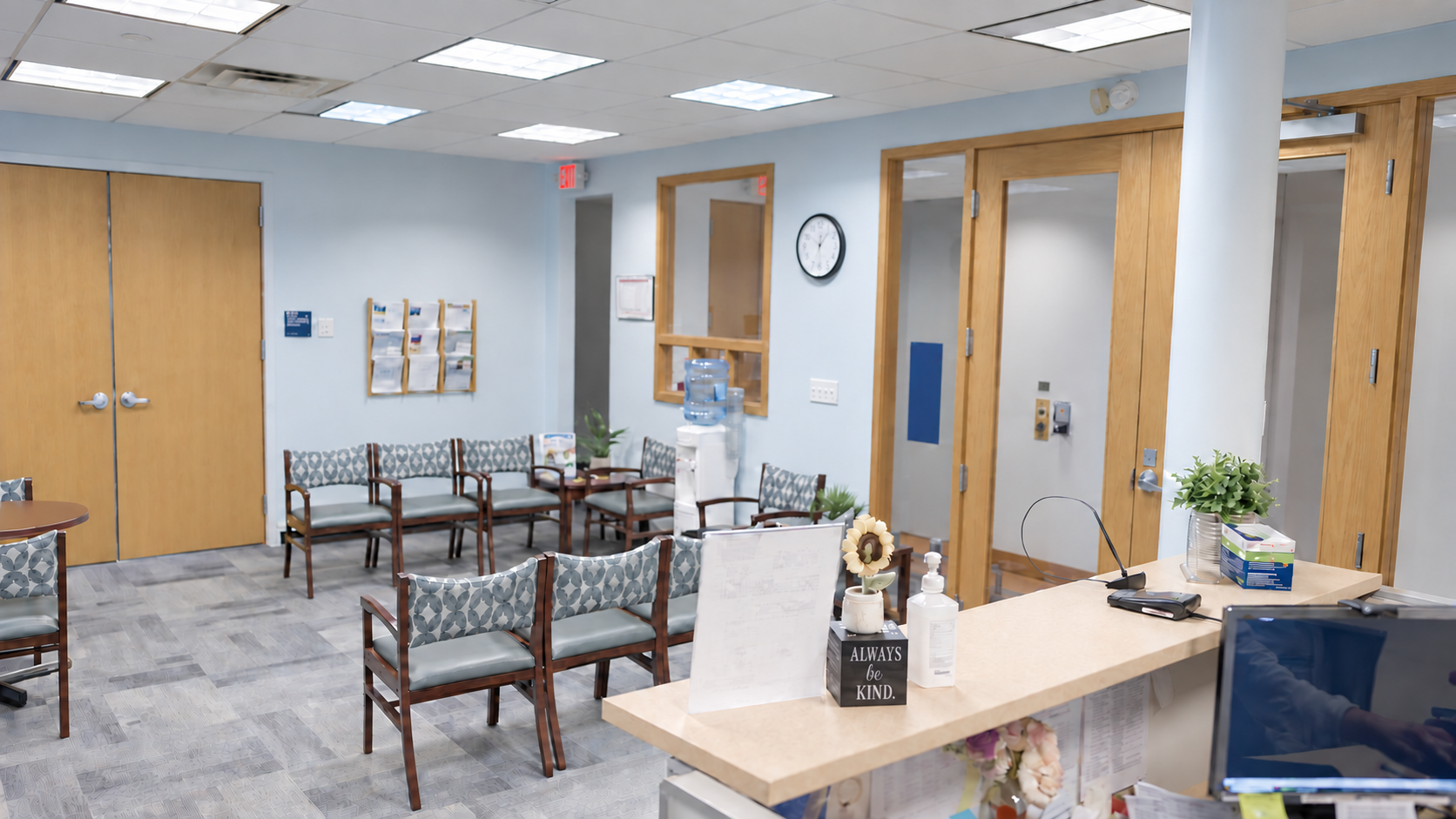
Who the program serves
- People experiencing psychosis for the first time
- Adolescents and adults between ages 14 and 35
- Residents of Greater Boston
What the program offers
- Diagnostic evaluation
- Second-opinion consultations
- Medication treatment
- Education and family support
- Cognitive behavioral therapy for psychosis
- Supported education and employment services
Coordinated specialty care
Care centered on recovery goals
FEPP provides team-based, recovery-oriented care designed for the early phase of psychosis. The team works with each patient and family to reduce delays in care, complete a comprehensive evaluation and build a treatment plan around the person's clinical, educational, employment and personal goals.
Clinical care
- Phase-specific, evidence-based treatment
- Medication management
- Individual cognitive behavioral therapy for psychosis
Recovery support
- Family education and support
- Supported education and employment
- Peer support
- Care coordination
Your first visit
What to expect
During the initial visit, you will meet with a member of the clinical team. The clinician will ask about your mental health, medications and medical history and will work with you to determine which treatment program may best meet your needs.
You may be offered ongoing treatment through FEPP or directed to another appropriate treatment option. An initial visit does not guarantee ongoing treatment.
Participation in FEPP is available for up to three years. At that point, the team evaluates the need for continued treatment and can help arrange a transition to appropriate care.
Request an evaluation
Referral and screening
The referral form may be completed by the patient, a family member or a healthcare provider.
- 1Complete the referral form
Share the information the team needs to understand the reason for referral.
- 2Clinical screening
The team reviews every referral for clinical appropriateness and may contact you for additional information.
- 3Initial appointment
If appropriate, the team will arrange an evaluation and discuss the most suitable treatment options.
The screening process may take time. Submitting a referral or completing an initial visit is not a guarantee of ongoing treatment.
Meet the people providing care
The FEPP team
FEPP brings together psychiatrists, psychologists, supported education and employment specialists, peer-support professionals, trainees and coordinators to provide coordinated specialty care.
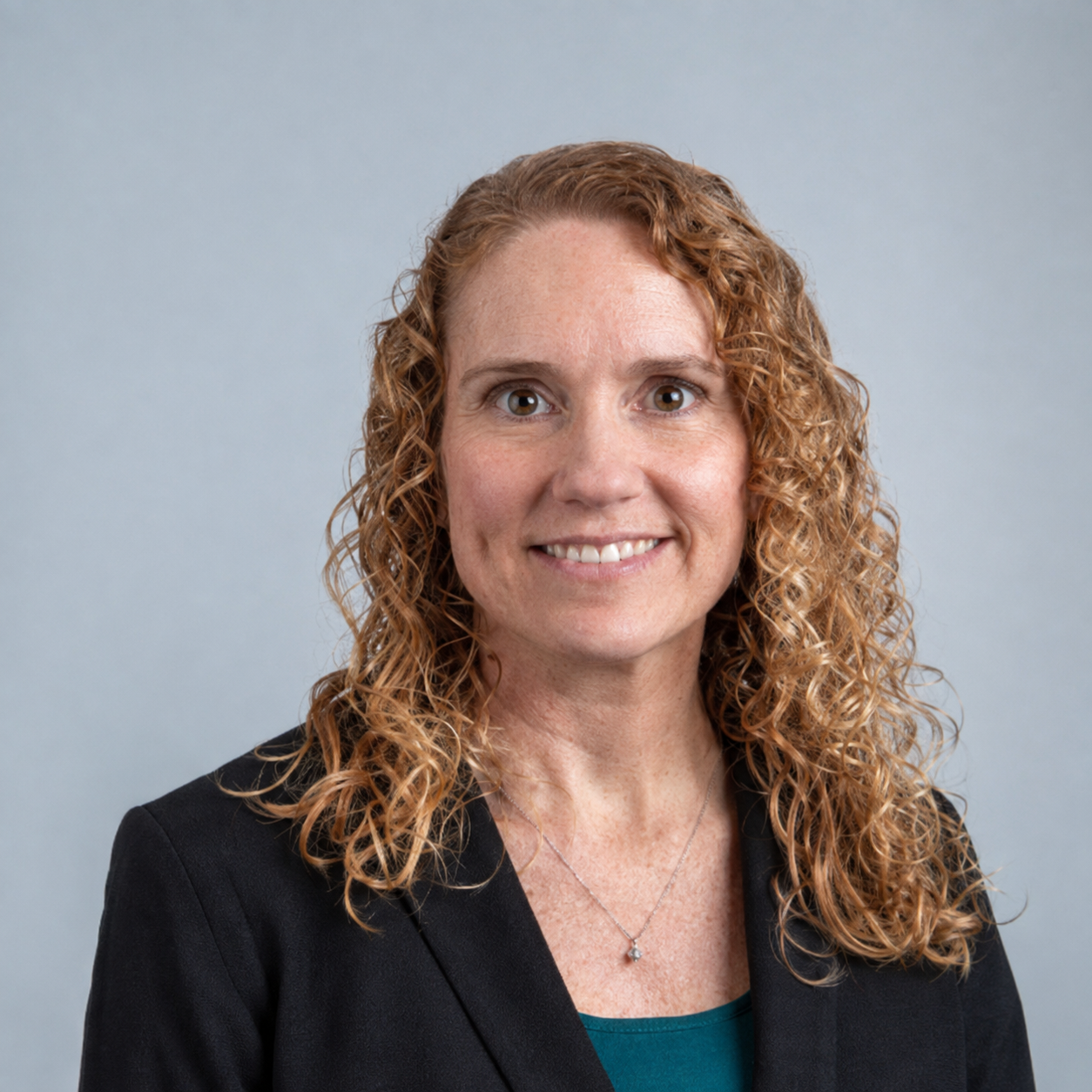
Care team listed alphabetically by first name.
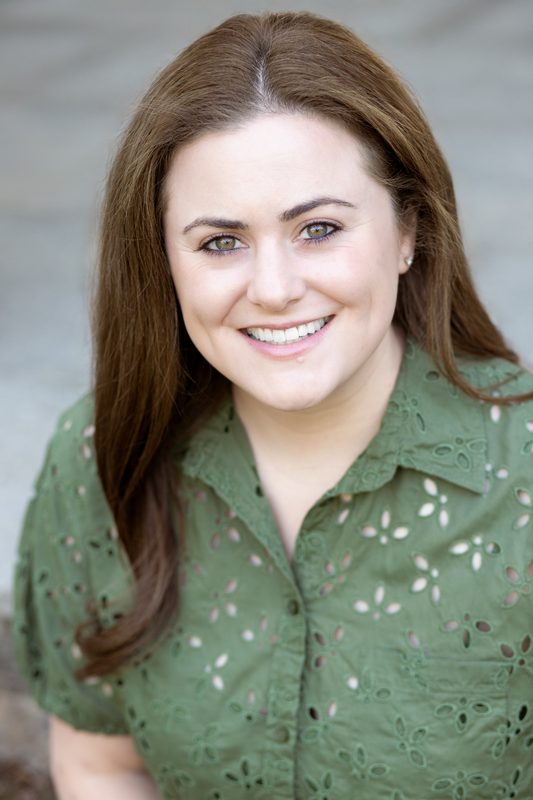
Alexandra C. Volpacchio, PsyD

Baktash Babadi, MD, PhD

Carol Lim, MD, MPH

Cheryl Yunn Shee Foo, PhD

Corinne Cather, PhD
 Illustration
Deena DiMaria

Drew C. Coman, PhD

Elaine Shen, MD

Faith Scanlon, PhD

Hassan Ramadan

John W. Tyson Jr., MD

Lauren Utter, PsyD

Merranda M. McLaughlin, PhD, MS

Shreedhar Paudel, MD, MPH

Temitope Ogundare, MD

Thomas D'Amario

Victoria R. Hasler, PhD
Professional photographs are shown where available; clearly labeled illustrations are used as placeholders where a photograph is not yet available.