

Expert medication care
Specialized support for clozapine treatment
The Clozapine Clinic is part of the Psychosis Clinical and Research Program (PCRP) at Massachusetts General Hospital. The clinic provides evaluation and psychiatric medication treatment for adults taking clozapine or considering a clozapine trial.
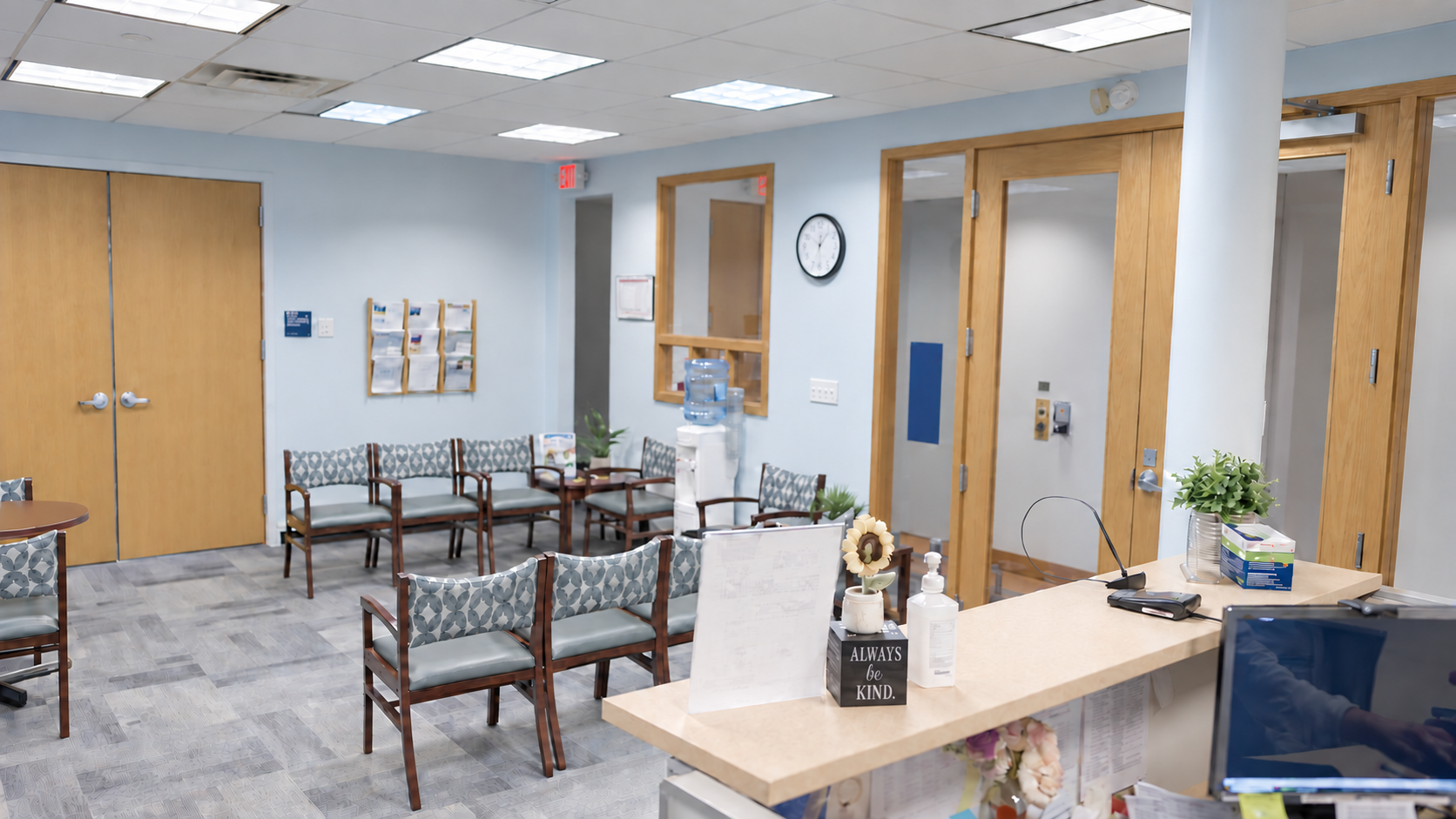
Clozapine is an antipsychotic medication used when schizophrenia symptoms have not improved adequately with other antipsychotic medications. For an appropriate patient, it can provide meaningful symptom relief, but it requires careful medical follow-up because potentially serious side effects can occur.
Who the clinic serves
- Adults age 18 or older
- Residents of Greater Boston
- People with a psychotic illness who currently take clozapine
- People interested in learning whether a clozapine trial may be appropriate
What the clinic offers
- Specialized clozapine evaluation
- Individualized medication planning
- Safe initiation and ongoing management of clozapine
- Monitoring of treatment response and side effects
- Coordination with other members of the treatment team
Understanding the treatment
Why clozapine may be considered
Clozapine is an effective antipsychotic medication for treatment-resistant schizophrenia. It may be considered when symptoms have not improved adequately after sequential treatment with two other antipsychotic medications.
Specialized expertise
Starting and managing clozapine safely requires clinical experience and careful follow-up. The clinic's clinicians have years of experience helping patients begin and continue this treatment.
What regular monitoring means
Monitoring includes scheduled blood tests and clinical visits to assess treatment response, possible side effects, vital signs, weight and metabolic health. The frequency and type of monitoring may change over time and are individualized by the care team.
Treatment decisions are individualized. An evaluation with a qualified clinician is needed to determine whether clozapine is appropriate for a particular patient.
A careful, individualized process
What to expect
The clinic reviews each person's diagnosis, symptoms, previous medication trials, current treatment and medical history. The team then discusses whether clozapine care through the clinic is clinically appropriate and what next steps may involve.
- 1Clinical evaluation
Review your treatment history, current symptoms and goals for care.
- 2Shared treatment planning
Discuss potential benefits, risks, monitoring requirements and alternatives.
- 3Specialized follow-up
If treatment through the clinic is appropriate, develop a plan for medication management and ongoing monitoring.
Request an evaluation
Referral and screening
The referral form may be completed by the patient, a family member or a healthcare provider.
- 1Complete the referral form
Provide the information the team needs to understand the reason for referral and relevant treatment history.
- 2Clinical screening
The team reviews every referral and may contact you or the treating clinician for additional information.
- 3Discuss next steps
If the clinic is appropriate, the team will discuss evaluation and treatment options.
The screening process may take time. Submitting a referral is not a guarantee of treatment.
Experienced clinical guidance
The Clozapine Clinic care team
The clinic brings together PCRP clinicians with expertise in psychotic disorders, treatment-resistant schizophrenia and the safe use of clozapine.

Care team listed alphabetically by first name.




For clinicians and health systems
TRS ACCESS Network
TRS ACCESS helps clinicians, clinics and health systems expand evidence-based care for treatment-resistant schizophrenia, including safe implementation of clozapine and long-acting injectable medications.
Global partnership
Building Clozapine Care in Uganda
MGH and Makerere University are working together to build sustainable systems for safe, effective clozapine care for people with treatment-resistant schizophrenia.